A camera changes how you read a camp. Instead of thatch and plunge pools, a photographer asks three questions: how close can I get, how many vehicles will crowd this sighting, and which way does the light fall at 6:30 a.m.? Porini’s camps in Amboseli and the Masai Mara answer those three questions differently, because they sit in different conservancies with different herds and different terrain.
This guide compares Porini Amboseli Camp in Selenkay Conservancy against Porini Lion Camp and Porini Mara Camp in the Mara ecosystem. It weighs the details that matter through a viewfinder: conservancy size, vehicle density, drive and flight times, and the specific animals each landscape delivers best.
Why Porini’s Conservancy Model Matters to a Photographer’s Eye
Porini camps sit inside community conservancies, not inside the national parks themselves. That single fact shapes every photo you take there. Conservancies cap the number of vehicles allowed per sighting, usually to two or three, compared with the open free-for-all that can build up at a popular Masai Mara National Reserve crossing point. Fewer vehicles means cleaner backgrounds and more time before an animal moves off.
Off-road driving and night drives are also permitted in most of these conservancies, unlike the main reserve and park areas. That access matters for a photographer chasing low-angle shots or a predator that has just made a kill after dark. It is the main reason serious wildlife photographers gravitate toward conservancy-based camps over park-gate lodges.
Porini Amboseli Camp: Reading Elephant Behavior Against Kilimanjaro
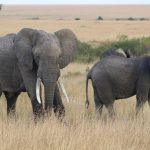
Porini Amboseli Camp sits in Selenkay Conservancy, roughly 6,000 acres (about 24 km2) of acacia woodland and open plains bordering Amboseli National Park‘s eastern boundary. The conservancy does not have the swamps that draw the park’s famous herds. It does have resident elephant families that move between Selenkay and the park daily, plus a much lower vehicle count when you find them.
A photographer’s advantage here is patience without competition. Selenkay sees a fraction of the traffic that Amboseli’s Observation Hill and Enkongo Narok swamp areas see in peak season. You can sit with a single elephant family for twenty minutes without another vehicle arriving. The trade-off is Kilimanjaro itself. That mountain backdrop, the one that makes Amboseli’s elephant shots so recognizable, is visible from Selenkay on clear mornings, but it reads smaller and less dominant than from inside the park’s swamp basin.
Dawn and dusk are the working hours here. Dust kicked up by elephant herds during the heat of the day scatters the light into a soft haze that photographers actually chase deliberately for backlit shots, but it also softens contrast and detail. Plan your best sessions for the first two hours after sunrise and the last hour before sunset.
Porini Lion Camp and Porini Mara Camp: Reading Big Cat Light in the Mara
Porini Lion Camp sits in Olare Motorogi Conservancy, about 33,000 acres (roughly 135 km2) bordering the Masai Mara National Reserve’s northern edge. A smaller block to the reserve’s east, Ol Kinyei Conservancy, holds Porini Mara Camp across roughly 6,000 hectares (about 60 km2). Both conservancies are known for resident lion prides and cheetah that den in the open grass, closer to camp and closer to good light than most reserve sightings.
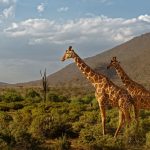
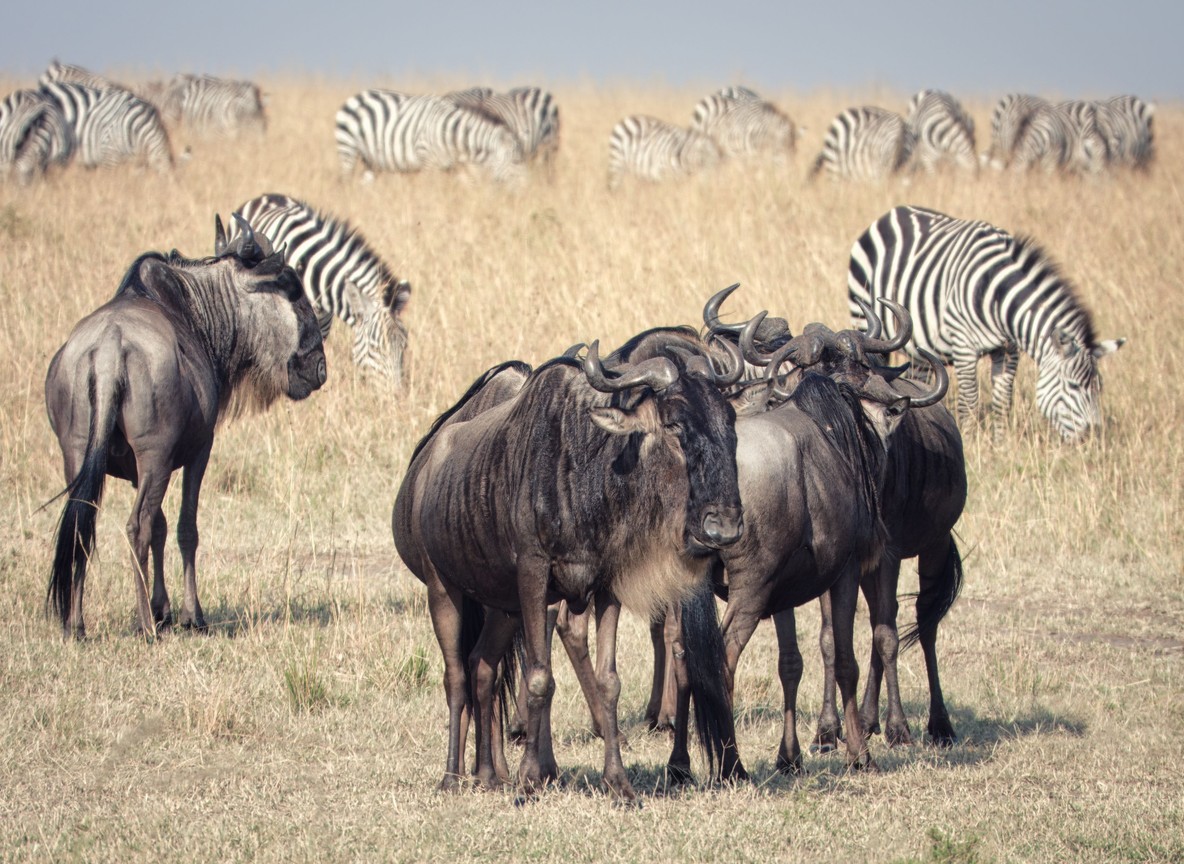
The terrain difference from Amboseli is immediate. Rolling grassland with scattered croton bush gives a photographer clean sightlines and a shallower depth of field on cats resting in short grass. Riverine forest patches along the Ntiakitiak and other seasonal watercourses give cover for leopard sightings, which are harder to predict but reward a longer lens and more waiting time.
Morning light in the Mara conservancies tends to be sharper and less dusty than Amboseli’s dry-season haze, since the grass here holds more moisture through most of the year. That makes for higher-contrast shots earlier in the drive. Both conservancies also run night drives, which Amboseli-area camps generally cannot offer since Selenkay borders park land with its own rules.
Porini Camps at a Glance: Distances, Fees, and Conservancy Size
| Detail | Porini Amboseli Camp (Selenkay) | Porini Lion Camp (Olare Motorogi) | Porini Mara Camp (Ol Kinyei) |
|---|---|---|---|
| Conservancy size | approx. 6,000 acres (approx. 24 km2) | approx. 33,000 acres (approx. 135 km2) | approx. 6,000 hectares (approx. 60 km2) |
| Adjacent protected area | Amboseli National Park (392 km2) | Masai Mara National Reserve (1,510 km2) | Masai Mara National Reserve (1,510 km2) |
| Nairobi to camp by road | approx. 240 km via Namanga road, approx. 4 hours | approx. 270 km via Narok, approx. 5-6 hours | approx. 270 km via Narok, approx. 5-6 hours |
| Nairobi (Wilson Airport) by air | approx. 45 minutes to Amboseli airstrip | approx. 45 minutes to Ol Kiombo or Musiara airstrip | approx. 45 minutes to Ol Kiombo airstrip |
| Signature photography subject | Elephant families with Kilimanjaro backdrop | Resident lion prides, cheetah | Cheetah, leopard in riverine cover |
| Park/conservancy fees | Amboseli NP entry indicative $60-90/adult/day plus conservancy fee | Olare Motorogi conservancy fee indicative $100-150/person/night | Ol Kinyei conservancy fee indicative $100-150/person/night |
| Off-road and night drives | Limited near park boundary | Permitted in conservancy | Permitted in conservancy |
Treat every fee above as an indicative range only. Conservancy and park fees change without much notice, and Porini typically bundles them into the camp rate rather than billing separately, so confirm the current structure directly with the camp before booking.
Light, Angles, and Vehicle Positioning: What Changes Between Amboseli and the Mara
Amboseli’s flat, open swamp fringes give a photographer wide, uncluttered backgrounds and the chance for a clean mountain silhouette. The dust haze common from July through October softens detail in the middle of the day, though. By contrast, the Mara conservancies offer denser vegetation for framing shots and generally clearer air, but that same vegetation can block a clean shot of a resting cat until it moves into open ground.
Guide skill matters as much as landscape in both places. A good driver-guide in a low-vehicle-density conservancy will position the vehicle with the sun behind your shoulder without being asked. They also hold that position rather than crowding closer for a better angle that spooks the animal. Ask your guide directly whether photography is your priority for the drive. Porini’s guides are used to the request and will adjust vehicle placement and drive pace accordingly.
Choosing Between Amboseli and Mara Porini Camps for Your Photography Trip
Choose Porini Amboseli Camp if elephant behavior and a mountain backdrop matter more to your shot list than big cats, or if a combined Mara trip is not in the budget. Predators should point you toward Porini Lion Camp or Porini Mara Camp instead, since resident prides and cheetah are more reliably found in these conservancies than in the busier parts of the main reserve.
Many photographers combine both. A short internal flight connects Amboseli and the Mara region in under an hour, through either airstrip via Wilson Airport. That makes a seven to ten day trip covering both landscapes realistic, without long road transfers between them.
Explorer Notes
A few field details worth knowing before you pack. First, Selenkay’s dust means a rocket blower and several microfiber cloths belong in your daybag, not your main luggage, since gear changes hands often during an active sighting. Second, ask your Porini guide about the conservancy’s vehicle density rule before your first drive. Knowing only two or three vehicles will ever share a sighting changes how you plan your shot. You can wait for a better angle instead of grabbing whatever frame you can get. Third, early morning drives in the Mara conservancies run cooler and clearer than Amboseli’s equivalent hour, so pack a light layer for the open vehicle. Finally, both regions restrict drone photography without a permit arranged in advance, so skip planning on aerial shots unless your camp has confirmed this with conservancy management.
What to Read Next
- Deciding where to base your photography trip? Read our Porini Amboseli Camp guide.
- Weighing the Mara conservancies against each other? See our Porini Lion Camp, Olare Motorogi Conservancy guide.
- Building your full photography plan? Check our Amboseli wildlife photography guide.
FAQ
Are Porini camps good for photography compared with lodges inside the parks? Yes, largely because conservancies limit vehicles per sighting and allow off-road access, which most in-park lodges cannot offer.
Which Porini camp is best for elephant photography? Porini Amboseli Camp in Selenkay Conservancy, since resident elephant families move through the area daily with a Kilimanjaro backdrop on clear mornings.
Which Porini camp is best for big cat photography? Porini Lion Camp in Olare Motorogi Conservancy and Porini Mara Camp in Ol Kinyei Conservancy both hold resident lion prides and cheetah, with Ol Kinyei also producing regular leopard sightings.
Can I visit both Amboseli and Mara Porini camps on one trip? Yes. A light aircraft connection through Nairobi’s Wilson Airport links both regions in under an hour of flying time, making a combined itinerary practical over seven to ten days.
Do Porini conservancies allow night drives for photography? The Mara conservancies, Olare Motorogi and Ol Kinyei, generally permit night drives. Selenkay’s access is more limited given its position next to Amboseli National Park, so confirm current rules with the camp directly.
Matching a camp to your shot list is one part of planning a photography-focused safari. Visit our Tour Packages page to see camps and routes built around wildlife photography, or ask a partner operator which conservancy fits the images you are chasing this season.
Further reading
More safari planning resources
- Map of Amboseli from Valley Safaris
- Amboseli National Park guide on Touring Insights
- Amboseli destination guide on FindMySafari
- Big Five safari collection on FindMySafari
Related guides: Best Amboseli Camps for Kilimanjaro Photography.